Blog
Armenian Apricot Jam
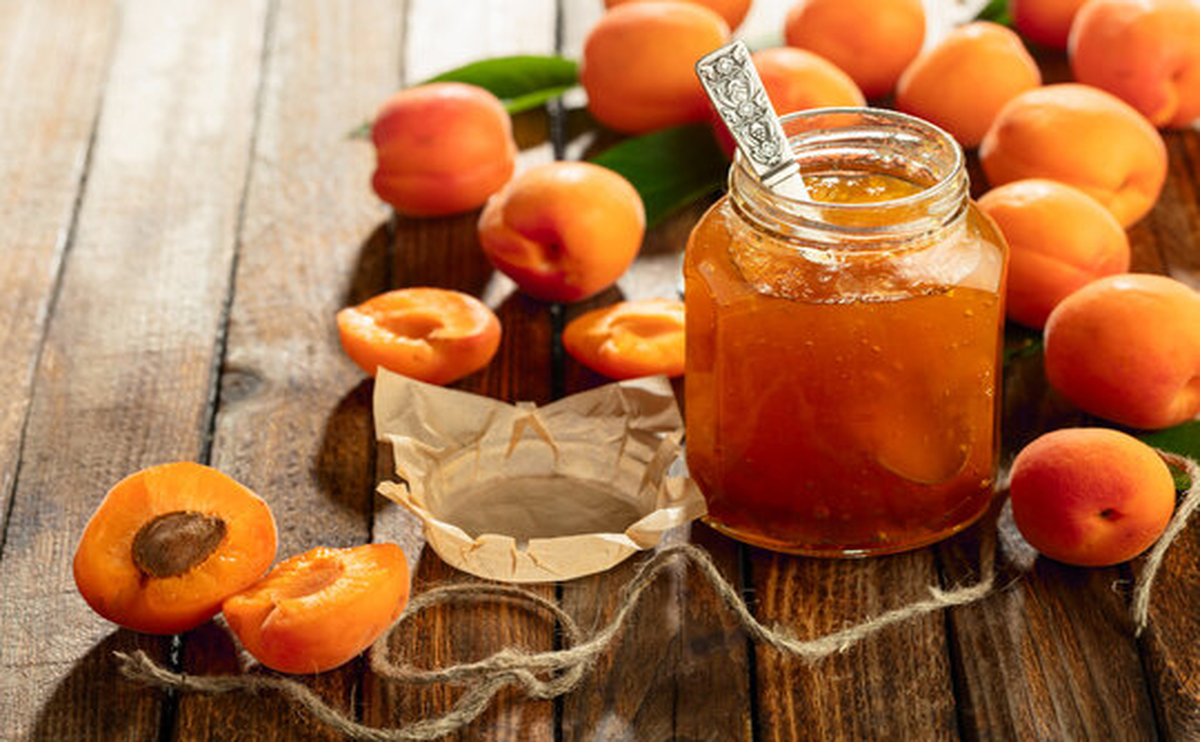
Armenian apricot jam is rooted in thousands of years of local cultivation and ancient preserving traditions. Because the “Golden Apricot” originated in the region, Armenians traditionally simmered the highly aromatic, sun-ripened fruit with sugar to create a thick preserve, locking in the taste of summer for the harsh winters.
The relationship between Armenia and apricots traces back to antiquity. Archaeological excavations at the Garni fortress have revealed ancient apricot seeds from the Eneolithic era. Because of its deep ties to the land, the scientific name for the apricot is Prunus armeniaca (Armenian plum).
Apricot jam traces its roots back over 4,000 years to the domestication of apricots in Central Asia and China. As the fruit traveled along trade routes to the Middle East and the Mediterranean, early civilizations like the Armenians, Greeks and Romans began boiling down fruits with honey to create rudimentary jams and spreads.
Armenian Apricot: In Armenia, where apricots are considered a cult fruit, jams are often made without adding water, using only the juice released from the fruit by the addition of sugar. Additionally, peeled and roasted apricot kernels are traditionally added to the jam, imparting a delicate almond flavor.
Pectin: If you want a firmer consistency (like jelly), add a little pectin mixed with sugar at the very beginning of cooking.
Recipe
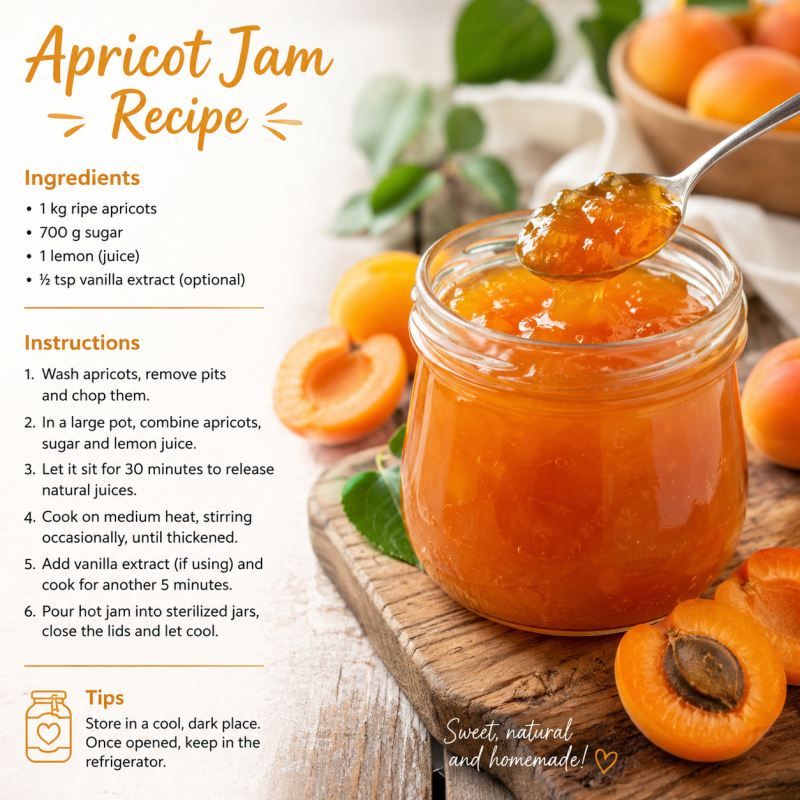
Make this traditional Armenian apricot jam at home by combining 1 kg pitted apricots, 800 g sugar, and 1 tbsp lemon juice. Let the fruit macerate in the sugar for 30 minutes, then boil over medium heat for 20-30 minutes until thick, skimming the foam.
Because the sun-drenched apricots of the Ararat Valley are naturally sweet, you can adjust the sugar ratio to your liking.
Classic Armenian Apricot Jam Ingredients & Directions
– 1 kg fresh, ripe apricots, pitted and halved
– 800 g granulated sugar (reduce to 600-700 g for very sweet fruit)
– 1 tbsp fresh lemon juice
– Optional: Seeds from 5-10 apricot pits for a subtle almond flavor
Armenian apricot jam (known locally as tsirani muraba) is world-renowned for its rich aroma, bright amber color, and the traditional inclusion of peeled apricot kernels inside the jar. Armenia is the native homeland of the apricot (Prunus armeniaca), which gives this specific preserve its superior depth of flavor.
Key Benefits
The renowned, sun-drenched apricots of the Ararat Valley and Armenian highlands—cultivated for millennia—retain many of their core nutritional properties even when preserved as a thick, aromatic jam:
Rich in Antioxidants: The deep orange color comes from high levels of beta-carotene, which protects cells from oxidative stress and is converted into Vitamin A for eye health.
Cardiovascular Support: Apricots contain flavonoids that help protect the heart, while the preserved potassium helps regulate fluid balance and blood pressure.
Digestive Aid: The fruit’s natural dietary fiber helps regulate intestinal function, keeping your gut microbiome healthy.
Natural Energy Boost: Because apricots have a low to moderate glycemic index, the jam delivers a steady release of energy, making it an excellent pre-workout or breakfast spread.
Use Cases
Perok (Jam Cake): The most classic use case. A rich, buttery cake made with sour cream or butter, layered generously with apricot jam, and topped with a grated dough lattice.
Jam-Filled Gata: Traditional Armenian gata pastries are often filled with a crumbly, sweet mixture of butter, flour, and diced or jammed apricots.
Yogurt & Crepes: Swirled directly into Greek yogurt or spread over fluffy ricotta pancakes and thin crepes.
Artisanal Toast: Spread over crusty toast with mild, fresh cheeses like ricotta, mascarpone, or labneh for a sweet-salty flavor profile.
Thumbprint Cookies: Used as the bright, sticky center for buttery butter cookies or shortbreads.
Meat Glazes: Acts as an excellent base for glazes on roasted poultry or ham when combined with Dijon mustard, black pepper, and a dash of brandy.
Cheese Boards: Pairs beautifully with sharp, aged cheeses (like Gouda or sharp cheddar) and salty nuts (like walnuts or almonds).
Ice Cream Topping: Warmed up and drizzled over vanilla bean ice cream.
Tea Sweetener: Stirred into black tea (popular across the Caucasus) as a natural sugar replacement.
Ingredients: Premium varieties of Armenian apricots are slow-cooked, often macerated overnight with sugar before boiling to a rich consistency. Many traditional producers include the inner seed (kernel) for added depth.
Nutritional Information: A 100g serving contains roughly 180–240 kcal, negligible fat, and around 43g–62g of carbohydrates.